AgriTech in Action: Tools Every Modern Farmer Should Know About
The face of agriculture is changing rapidly, and technology is at the heart of this
transformation. Across Tanzania and
beyond, innovative tools are helping farmers work smarter, not harder—boosting
yields, conserving resources, and
connecting to markets like never before. Here’s a look at the most impactful
technologies redefining modern farming.
Digital Tools for Smarter Decisions
Gone are the days of relying solely on traditional knowledge passed down through
generations. Today, mobile apps like
Tigo Kilimo and WeFarm deliver real-time weather forecasts, pest
alerts, and market
prices directly to farmers’ phones.
These platforms use simple SMS or smartphone interfaces to bridge the digital
divide, ensuring even smallholders in
remote areas can access critical information.
In more advanced implementations, AI-powered advisory services analyze satellite
imagery and weather patterns to
recommend optimal planting times. Some systems can even diagnose crop diseases from
smartphone photos, helping farmers
identify threats before they spread.
Precision Agriculture Takes Root
Soil health monitoring has entered the digital age with affordable sensor
technology. These devices, often no larger
than a mobile phone, measure soil moisture, nutrient levels, and temperature.
Farmers receive data-driven
recommendations on when and how much to irrigate or fertilize—reducing waste and
improving crop quality.
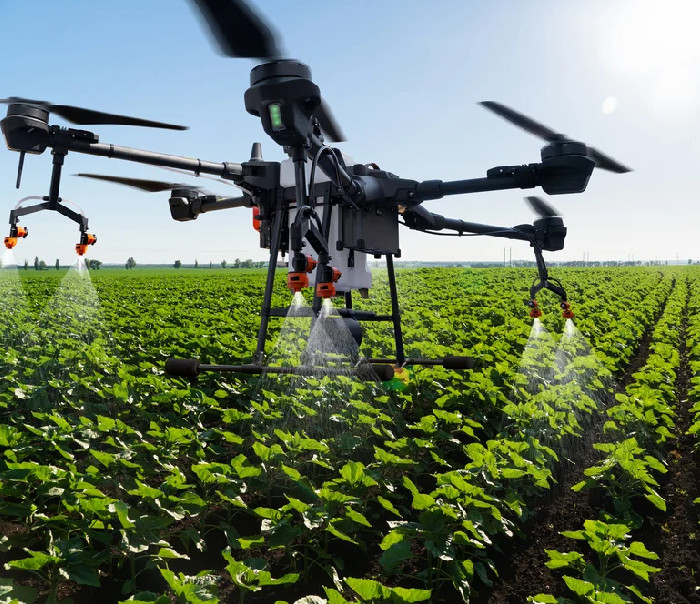
For larger farms, drones are revolutionizing field management. Equipped with
multispectral cameras, they can scan entire
fields in minutes, identifying areas affected by disease, nutrient deficiencies, or
water stress. Some models even
deploy targeted sprays, applying pesticides only where needed and cutting chemical
use by up to 50%.
Automation and Robotics
Labor shortages are a growing challenge, but automated solutions are stepping
in.
Solar-powered irrigation systems can
now be controlled remotely via mobile apps, ensuring crops get the right amount of
water without manual intervention. In
more advanced setups, robotic planters and harvesters are beginning to appear on
large-scale farms, though their high
cost remains a barrier for most smallholders.
One particularly promising innovation is automatic weather stations. These
compact,
solar-powered units track hyperlocal
conditions and send alerts about frost, heavy rain, or drought risks—allowing
farmers to take preventive action.
Blockchain for Market Access
Technology isn’t just changing how crops are grown—it’s also transforming how
they’re sold. Blockchain-based
traceability systems let buyers scan a QR code and see a product’s full
journey,
from the farm where it was grown to the
warehouse where it was processed. This transparency builds trust and can open doors
to premium markets.
Digital marketplaces are also gaining traction, connecting farmers directly with
buyers and reducing reliance on
middlemen. Some platforms even offer mobile payment solutions, ensuring
faster, more
secure transactions.
The Road Ahead
While these technologies offer immense potential, challenges remain—particularly
around affordability and digital
literacy. However, as costs decrease and awareness grows, AgriTech is poised to
become an indispensable part of farming
at every scale.
For Tanzanian farmers, embracing these tools could mean higher yields, better
prices, and greater resilience against
climate and market shocks. The future of agriculture is digital—and it’s already
here.